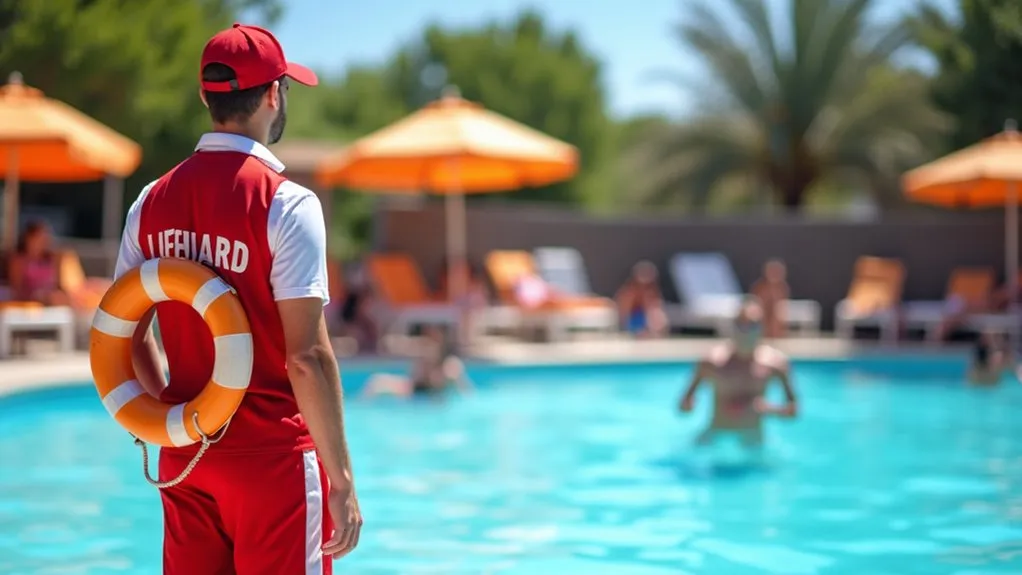
How Professional Lifeguard Services Reduce Poolside Risks
Swimming pools provide a great environment for exercise, recreation, relaxation, and social activities. However, pools can also present several safety risks if they are not properly supervised and managed. Slippery surfaces, deep water, crowded swimming areas, inexperienced swimmers, and unexpected medical emergencies can quickly turn a fun day into a dangerous situation. This is where professional lifeguard services play an important role. Trained lifeguards provide continuous supervision, respond quickly to emergencies, and help prevent accidents before they become serious incidents. By having qualified professionals around the pool, facility owners can create a safer environment for swimmers while giving visitors greater confidence. SwimWerks provides certified lifeguards for hire to help swimming pools and aquatic facilities maintain a safe and well-supervised environment.
Continuous Poolside Supervision
One of the most important ways professional lifeguard services reduce poolside risks is through continuous supervision. Lifeguards are trained to carefully observe swimmers, identify unsafe behavior, and recognize signs that someone may be struggling in the water. Unlike ordinary pool staff who may have several responsibilities, professional lifeguards are specifically focused on maintaining water safety and monitoring the pool area. They position themselves strategically so they can observe different sections of the pool and react quickly when necessary. Continuous observation is especially important in busy swimming facilities where multiple activities may happen at the same time.
Early Identification of Potential Hazards
Many pool accidents can be prevented when hazards are identified before they cause an injury. Professional lifeguards are trained to look beyond the swimmers and monitor the overall pool environment. They can identify issues such as wet and slippery walkways, damaged pool equipment, overcrowding, unsafe diving, running near the pool, or swimmers entering areas that may be beyond their abilities. By noticing these hazards early, lifeguards can take corrective action and notify facility management when maintenance or additional safety measures are required. This proactive approach helps reduce the likelihood of accidents and keeps the swimming environment safer for everyone.
Fast Response During Emergencies
When a pool emergency occurs, every second can matter. A swimmer who is struggling in the water can quickly become exhausted, while a person who has suffered an injury may require immediate assistance. Professional lifeguards receive specialized training in water rescue and emergency response, allowing them to act quickly when an incident occurs. Their training helps them assess situations, perform appropriate rescue techniques, and provide assistance until additional medical support arrives. Having a trained professional already present at the pool can significantly reduce response time compared with relying on an untrained bystander to recognize and handle an emergency.
Proper Handling of Water Rescues
Water rescues require skill, confidence, and proper technique. Attempting to rescue a struggling swimmer without appropriate training can put both the person needing assistance and the rescuer at risk. Professional lifeguards understand how to approach different types of water emergencies and use appropriate rescue methods based on the situation. They are trained to remain calm under pressure and follow established emergency procedures. Their knowledge and experience allow them to respond in a controlled manner rather than making rushed decisions that could make the situation worse.
Supporting First Aid and Emergency Care
Poolside emergencies are not limited to drowning incidents. Swimmers can experience cuts, falls, sprains, heat-related problems, fainting, or other medical emergencies. Professional lifeguards commonly receive first aid and CPR training as part of their qualifications. This means they can provide immediate assistance when a swimmer requires emergency care while waiting for medical professionals to arrive. Early first aid can be valuable in reducing the potential impact of an injury or medical emergency. Lifeguards can also help coordinate with emergency responders by providing information about what happened and the assistance already given.
Preventing Unsafe Swimming Behavior
Accidents often occur because swimmers engage in unsafe behavior around the pool. Running, pushing, rough play, diving in inappropriate areas, ignoring depth restrictions, or entering the water without adequate swimming ability can increase the risk of injury. Professional lifeguards help prevent these behaviors by enforcing pool rules and communicating safety expectations to visitors. Their presence also acts as a deterrent because swimmers are more likely to follow established safety guidelines when trained personnel are actively supervising the facility. Consistent enforcement creates a culture where safety becomes an important part of the swimming experience.
Managing Crowded Swimming Areas
Crowding can make it more difficult to monitor swimmers and can increase the possibility of collisions and other incidents. Professional lifeguards can help manage busy pool environments by monitoring swimmer numbers, identifying areas where congestion is developing, and communicating with facility staff when additional controls may be needed. During swimming lessons, recreational sessions, competitions, or public pool hours, professional supervision becomes particularly valuable. Effective crowd monitoring helps lifeguards maintain clear visibility and ensures that swimmers receive appropriate attention even when the facility is busy.
Protecting Children and Inexperienced Swimmers
Children and inexperienced swimmers often require additional attention because they may not fully understand the dangers associated with swimming pools. A child can quickly move into deeper water or become distressed without immediately attracting the attention of family members. Professional lifeguards provide an additional layer of protection by continuously observing the pool and identifying swimmers who may be experiencing difficulty. Although parents and guardians should always supervise children directly, the presence of a trained lifeguard provides valuable additional support and helps create a safer environment.
Building a Stronger Pool Safety Culture
Professional lifeguards do more than respond to emergencies. They contribute to a broader culture of safety within the swimming facility. Through regular observation, communication, rule enforcement, and cooperation with management, lifeguards help establish consistent safety standards. When swimmers regularly see safety rules being followed and enforced, they are more likely to understand the importance of responsible behavior. This can help reduce preventable incidents over time and create a more organized environment for swimmers, staff, and visitors.
Choosing Reliable Professional Lifeguard Services
The effectiveness of pool safety depends heavily on the quality and preparedness of the lifeguards providing supervision. Facility owners should choose professional lifeguard services with trained personnel, appropriate certifications, emergency response knowledge, and experience in managing different types of swimming environments. It is also important to consider the size and usage of the facility when determining the level of lifeguard coverage required. A reliable service provider should be able to understand the facility’s needs and provide suitable supervision based on factors such as pool size, visitor numbers, activities, and operating hours.
Conclusion
Professional lifeguard services play a crucial role in reducing poolside risks by combining constant supervision, hazard awareness, emergency response, water rescue skills, first aid knowledge, and effective rule enforcement. Their presence helps prevent unsafe behavior while ensuring that emergencies can be addressed quickly when they occur. For swimming pools, leisure centers, hotels, schools, and other aquatic facilities, investing in trained lifeguard professionals is an important part of creating a safer swimming environment. With the right lifeguard team in place, pool operators can provide swimmers with greater confidence while taking practical steps to reduce accidents and improve overall pool safety.