Dog Swimming – What It Does, Who It Suits, and What to Look For
Plenty of dog owners treat swimming as a straight swap for a walk — the same tiredness, delivered by a different route. It is not quite that simple. Water works the body differently to a pavement or a field, and knowing why makes it far easier to decide whether a pool session belongs in a dog’s week, and how often.
It is not a new idea that dogs like water. What has changed is the infrastructure around it. A decade ago, “dog swimming” meant a splash in a local river or a scramble down to the coast on a warm bank holiday, weather and tide permitting. Today, dedicated dog pools have appeared in towns that would once never have had one, offering something closer to a leisure booking than a walk substitute. The appeal is not that swimming is trendy. It is that, for a specific set of very common dog problems, it suits the animal better than the alternatives on offer.
Why swimming suits so many dogs
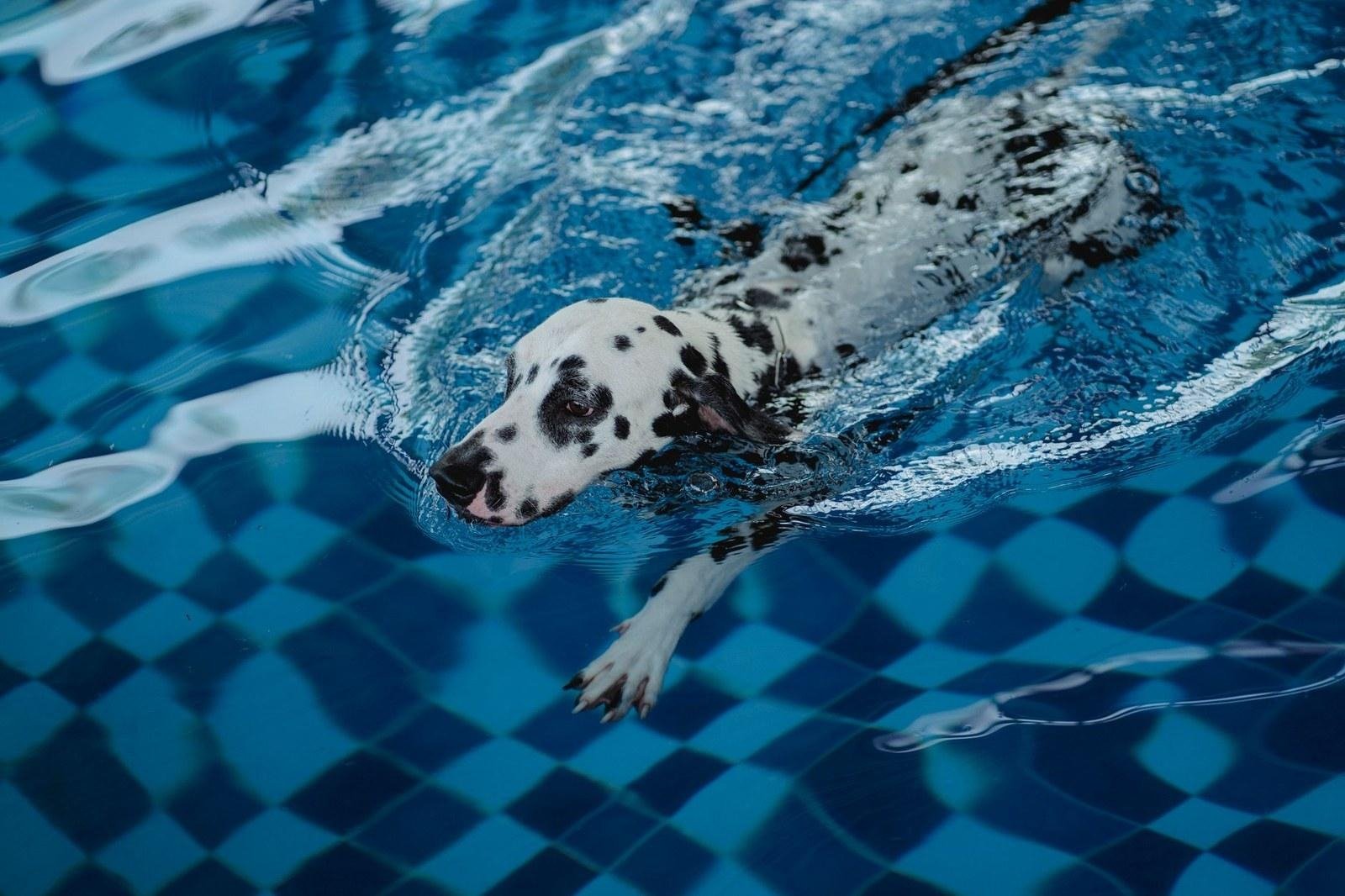
The first reason owners give is physical. Swimming is low-impact — there is no concussive force through the joints the way there is on tarmac or hard ground — which makes it a sensible option for dogs who are older, recovering their fitness after a lay-off, a bit overweight, or simply built in a way that makes long walks harder work than they look (a lot of short-legged, deep-chested and giant breeds fall into this camp). This is exercise, chosen because it is gentler on the body while still being demanding enough to properly tire a dog out — it is not a treatment for anything, and it should not be sold or understood as one.
Effort in water is genuinely different from effort on land, which is part of why it has become popular with owners of young, high-drive working breeds — collies, spaniels, retrievers — who struggle to get through enough exercise via the lead alone, especially in a British summer when a midday walk is uncomfortable for a heavy-coated dog and pointless for one who overheats quickly. Exactly how a session compares to a walk in energy terms varies hugely by dog, fitness and how they swim, so it is worth watching an individual dog’s response rather than assuming a fixed trade-off.
The second reason is behavioural, and it may be the bigger driver of the current interest in these facilities. A dog that finds other dogs stressful, or that reacts to bikes, prams, joggers and general park chaos, does not get a break from any of that on a normal walk — a busy park is, by design, full of stimulus. A private swimming session removes the problem at a stroke: no other dogs, no passing traffic, no crowd, nothing to react to. For reactive dogs, elderly dogs who get barged about by boisterous younger ones, or dogs still building confidence after a bad experience, that absence of pressure is often the single biggest relief a session can offer.
Why a controlled pool beats open water
Open water has never quite delivered on this promise the way people hoped, largely because it comes with variables nobody can manage — water quality, temperature, current, depth and whoever else turns up. A private, purpose-built pool sidesteps all of that. The water is controlled and clean, kept at a steady temperature rather than whatever the weather has decided on, and — because the session is private — there is exactly one dog in it at a time. For an anxious dog, or an anxious owner, that predictability is usually worth more than the setting itself.
What to actually look for
Not every facility calling itself a dog pool offers the same thing, so it is worth knowing what separates a good one. Water that is genuinely warm rather than merely heated-in-name is the first test — cold water tends to undo the calming effect before the session even starts. Private booking slots, rather than shared or open sessions, matter enormously if the whole reason for going is to avoid other dogs. Staff who are actually trained to handle a dog in water, to read early signs of tiredness or stress, and to hold a recognised first-aid qualification are worth asking about directly. A facility that lets the owner get into the water alongside their dog, rather than watching from the side, tends to suit the bonding side of things far better than one that treats the visit purely as a service to be delivered.
In Swindon, Hounds & Waves is being built to occupy exactly this space: a private pool set up around recreation, enrichment and a properly looked-after visit rather than anything clinical. Once open, it is intended to sit at the more considered end of this market — less “hydrotherapy” in the medical sense, more a dedicated, comfortable place for a dog to swim, burn off energy and have a genuinely good hour, with an owner who gets to enjoy it just as much.
As with any new form of exercise, a dog with an existing health condition, a very young puppy, or a senior dog with joint or heart concerns should be checked over by their own vet before starting regular swimming sessions. For everyone else, it is simply another tool for keeping a dog properly, happily exercised in a country where the park is not always the calm, controllable place the label suggests.