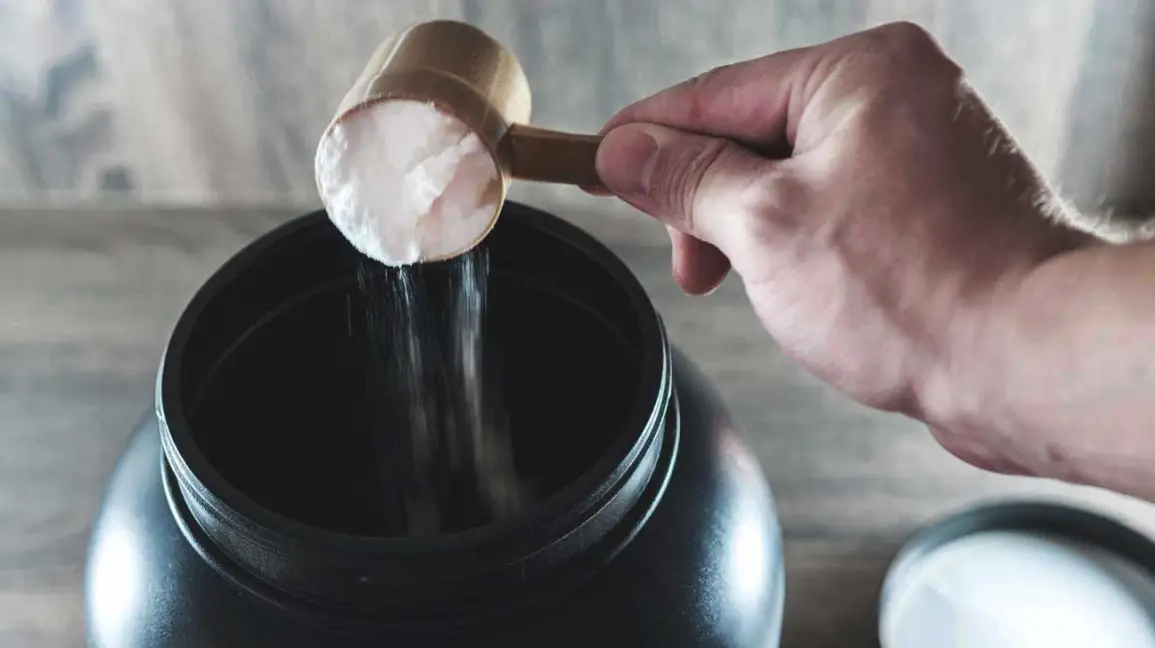
Fuel Recovery Naturally: The Role of Glutamine in Active Living
Glutamine is especially helpful for those with an active lifestyle − boosting energy levels, and helping muscles recover. This means that the body needs good quality nutrients to repair itself and heal after physical activity or heavy lifting. One of the most important amino acids in this respect is glutamine.
Glutamine is a fast-frequent term in the health and fitness community, so there are several significant functions it serves within the body. Its favorite iteration, L-glutamine, is also a tried-and-true supplement within nutrition and recovery protocols.
What is Glutamine?
Glutamine is an amino acid that normally exists in the body, primarily in muscle tissue. They are the basic building blocks of protein that body needs repair tissues and promote muscle growth
L-glutamine, the form that the body uses most directly and very commonly referred to nutrition. Although the body can make Glutamine, higher quantities are used during intense exercise, or physical trauma and periods of stress.
Hence, high Glutamine levels are important for both performance and recovery.
Why Glutamine is Important for Recovery?
After we exercise, muscles are stressed as they need a period of time to recover. Glutamine aids recovery function by allowing the body to repair muscle tissue.
Key roles of Glutamine include:
- Helping muscle recovery after strenuous workouts
- Helping maintain immune system health
- Supporting digestive balance
- Body adapting to physical stress
Athletes around the world will add L-glutamine to their recovery regimen, thereby maintaining optimal levels of this vital amino acid as they engage in heavier training cycles.
Natural Food Sources of Glutamine
Although Glutamine has gained popularity in supplement form, it is found naturally in several foods. A vitamin and mineral-rich diet help the body synthesize those two naturally.
Foods that contain Glutamine include:
- Lean poultry, fish, and other lean meats
- Fish and seafood
- Eggs and dairy products
- Beans and legumes
- That even extends to some vegetables like cabbage and spinach
These are Glutamine rich foods which maintain l-Glutamine.
When People Use L-Glutamine?
L-Glutamine is a post-workout supplement commonly used by many health-conscious individuals into their recovery strategy. And, if you are extreme with your workouts, Glutamine can be helpful for maintaining energy and muscle recovery.
Thus, the foundation for a sound recovery program is adding L-glutamine to a protocol of quality nutrition, hydration, and rest.
This will better use Glutamine when your training and nutrition are consistent.
Final Thoughts
Recovery is an integral part of long-term resilience and wellness. Glutamine not only harms the recovery of muscle but also considerably influences the immune system.
Taking L-glutamine and balanced nutrition can support recovery, performance, high energy levels, and overall wellbeing.