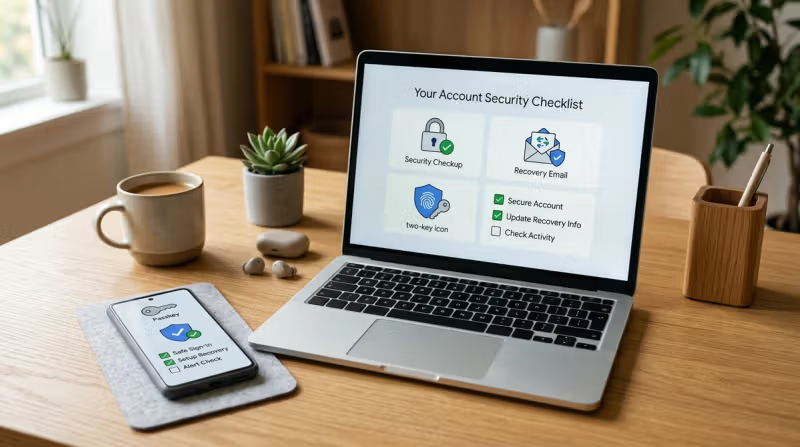
Gmail security works best when it relies on more than a password. Two-step verification and passkeys can make unauthorized sign-ins harder, but they solve different parts of the authentication problem. Readers comparing product descriptions, including Gmail accounts with 2FA and app-password options, may encounter these terms together. It is important to know what each feature does and why its presence in a listing does not establish ownership, reliability or a special exemption from Google’s security checks.
Two-step verification adds an extra step to sign-in, often using a trusted device or another approved factor. A passkey uses cryptographic technology connected to a device or password manager and can reduce reliance on passwords for supported sign-ins. Both approaches aim to protect legitimate users, but their availability and behavior depend on settings, devices and current provider rules. The right choice depends on the user’s security needs and ability to recover access.
The Gmail PVA security-related packages at PVA Provider show how third-party listings group several account features under a commercial category. A cautious reader should distinguish marketing terminology from settings visible inside an account they legitimately control. Never accept another person’s authentication prompts or recovery codes as a shortcut to account control. Instead, use official enrollment and recovery methods and prefer accounts created directly for the people or organization that will use them.
How Two-Step Verification Protects a Gmail Login
A password can be stolen through phishing, reused credentials or a compromised device. Two-step verification adds another requirement so that possession of the password alone is less likely to be enough. Depending on the account, approved methods may include device prompts, authenticator-based codes, security keys or other supported options. Each method has different strengths, so the additional step should be selected with the user’s practical risks in mind.
The protection works best when the second factor is not easily controlled by the same attacker who obtained the password. Device prompts should be approved only when the user initiated the sign-in. Unexpected verification requests deserve attention because they may indicate that someone is trying to log in. Staff should be taught to reject suspicious prompts and report them rather than assuming every notification is a routine inconvenience.
What Makes Passkeys Different
Passkeys are designed around cryptographic credentials rather than a reusable secret typed into a website. When implemented correctly, the sign-in is tied to the genuine service, which can reduce the danger of lookalike phishing pages. A device’s screen lock or biometric verification may help authorize use of the passkey. The technical details are managed by the device and supporting services, so users need to understand their recovery options before depending on a single device.
Passkeys are not a guarantee that every account problem disappears. A lost phone, damaged computer or inaccessible password manager can still create operational difficulties. Set up supported backup access methods and keep recovery information current. Organizations should also consider whether staff passkeys should be managed under company policies. The objective is secure access without creating a single point of failure that nobody can recover from.
App Passwords Are a Separate Feature
App passwords are designed for certain applications that cannot use the preferred modern sign-in flow. They should not be confused with two-step verification codes or passkeys. An app password can grant access to a compatible client while remaining separate from the main account password. Because it is a credential, it needs careful storage and revocation, and Google may restrict its availability based on account settings.
When choosing a mail client or automation service for legitimate work, investigate modern authorization options first. OAuth-based connections can provide better permission control and avoid disclosing a reusable password to the application. If an app password is genuinely required, create it through the account’s official security settings and remove it when it is no longer needed. Do not treat its availability as proof that an account is safe to acquire or transfer.
Recovery Planning Before an Emergency
Good authentication is only part of continuity. Users should know which devices and methods they can use if their primary phone becomes unavailable. Recovery contacts must belong to trusted people or be managed through approved organizational procedures. Keeping recovery material in an insecure chat defeats much of the benefit of stronger sign-in. A practical plan is documented, limited to authorized users and revisited whenever devices or responsibilities change.
For businesses, administrators need a clear procedure for staff departure, role changes and security incidents. A managed identity service may offer controls that consumer accounts do not provide. Testing routine access and recovery preparedness is valuable, but never attempt to bypass Google security screens. If legitimate recovery fails, use the official support path and accept that some accounts may not be recoverable without sufficient proof.
Everyday Habits That Make Security Stronger
Keep browsers, operating systems and security-sensitive applications updated. Review account alerts and connected devices, avoid suspicious links and use a password manager for any credentials that remain. Phishing-resistant methods such as passkeys and hardware security keys can be especially valuable for administrators or people handling sensitive records. Consistent habits often prevent more problems than adding many complicated settings that users do not understand.
Teams should minimize shared accounts and give each person only the access needed for their role. An audit trail is difficult to maintain when several people use a common login. If an employee needs to read team email, consider delegated access or a shared-inbox product instead. This approach supports accountability, makes permission changes easier and reduces the temptation to circulate passwords or authentication codes informally.
Conclusion: Security Is a System, Not a Label
Two-step verification, passkeys and app passwords are useful concepts, but none should be interpreted as a permanent safety certificate. Their value depends on lawful account control, proper configuration, trusted devices and a realistic recovery plan. Feature names on a marketplace page can inform questions, yet actual security must be verified through authorized account settings and current Google documentation.
For reliable email access, start with legitimate ownership, choose strong authentication and avoid unnecessary credential sharing. Maintain backups of approved recovery methods and train users to recognize suspicious prompts. If email serves a business, an administered identity system usually offers better long-term control. Good protection is not the most impressive list of features; it is the set of safeguards people can consistently use and maintain.